
Top Tourist Places to Visit in Nagaland
Know the top tourist places in Nagaland, from scenic valleys to unique tribal villages. A complete guide for culture and nature lovers.
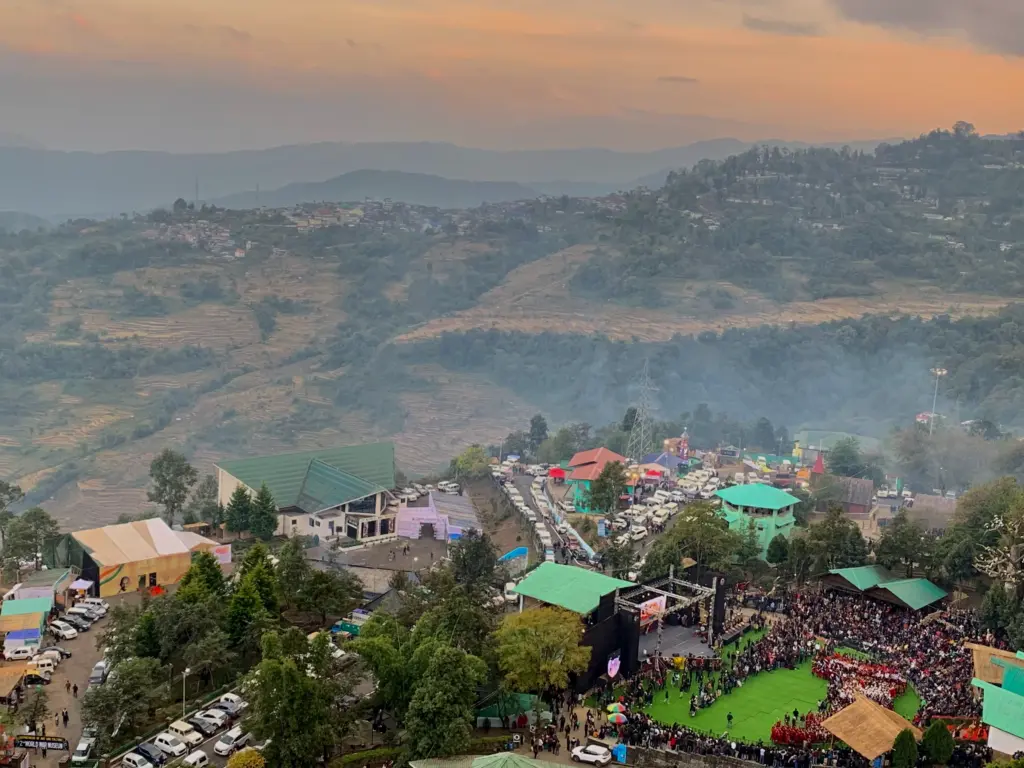
Table of contents
Introduction
Tucked away in India’s far northeast, Nagaland is a captivating state brimming with tribal heritage, rugged landscapes, and hidden natural treasures. With 16 major tribes, each with its own language, customs, and festivals, the state offers a cultural depth rarely seen elsewhere. Despite being one of India’s least-explored destinations, Nagaland rewards the curious traveller with experiences that blend nature, adventure, and tradition.
This guide lists the top tourist places in Nagaland, helping you plan your journey through one of India’s most unique and offbeat regions.
Kohima – Capital city with history and hills
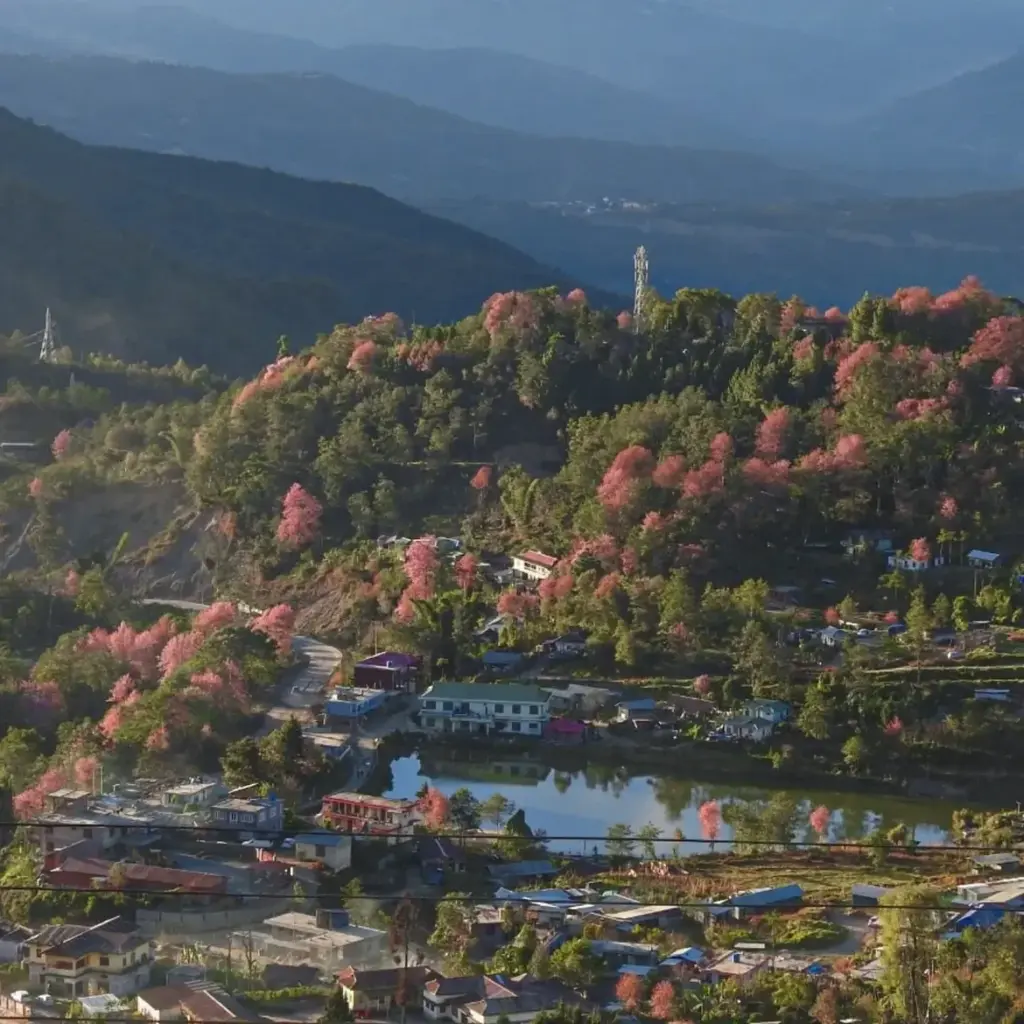
Perched at an altitude of 1,444 metres, Kohima is more than just the state capital — it’s a city steeped in history, especially known for the Battle of Kohima during World War II. The Kohima War Cemetery, maintained by the Commonwealth War Graves Commission, is a peaceful place that commemorates the soldiers who laid down their lives in 1944.
Kohima also serves as the cultural hub of Nagaland, especially during Hornbill Festival in between December 1st to December 10th every year — a grand celebration of all 16 tribes. Don’t miss a visit to the State Museum or the vibrant local markets for indigenous crafts and smoked meats. The city’s surrounding hills offer scenic views and a pleasant climate year-round. The adventurous ones can take a short trek such as Pulie Badze and many more – all offered by Travespert!
Dzukou Valley – Nagaland’s alpine paradise
Located on the border of Nagaland and Manipur, Dzukou Valley is one of Northeast India’s most beautiful and pristine trekking destinations. Accessible via the Viswema or Jakhama routes, this valley is known for its rolling meadows, seasonal wildflowers, and surreal cloudscapes.
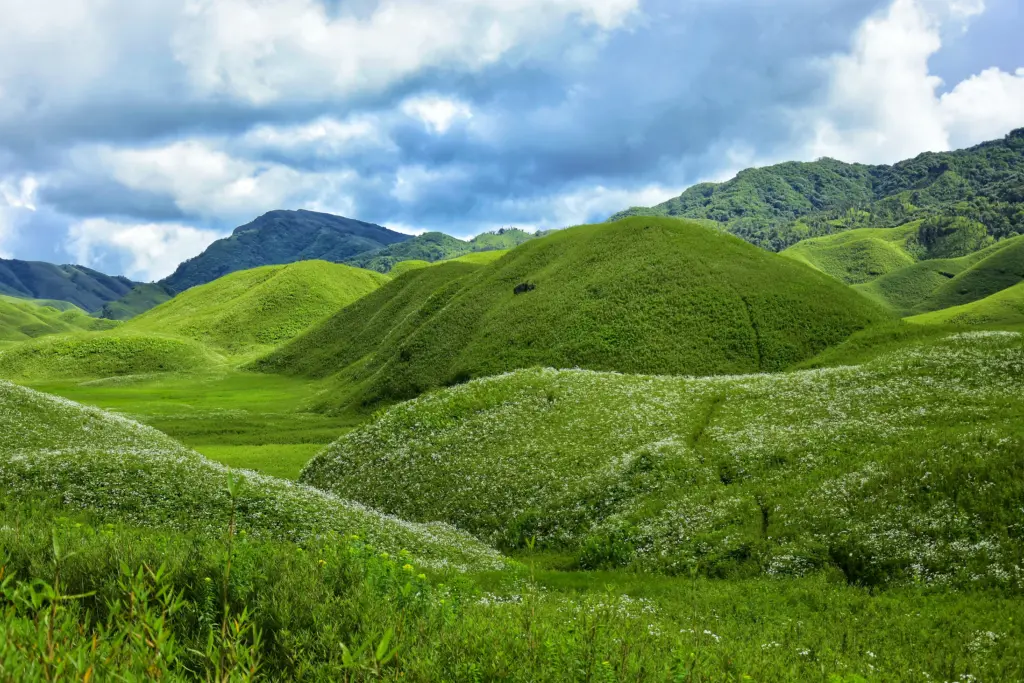
During summer (June to September), the valley comes alive with the rare Dzukou lily, found only in this region. Trekking here is moderately challenging but deeply rewarding, especially for those seeking quiet solitude amidst nature. Basic dormitories and camping options are available at the valley’s base.
Longwa Village – A village in two countries
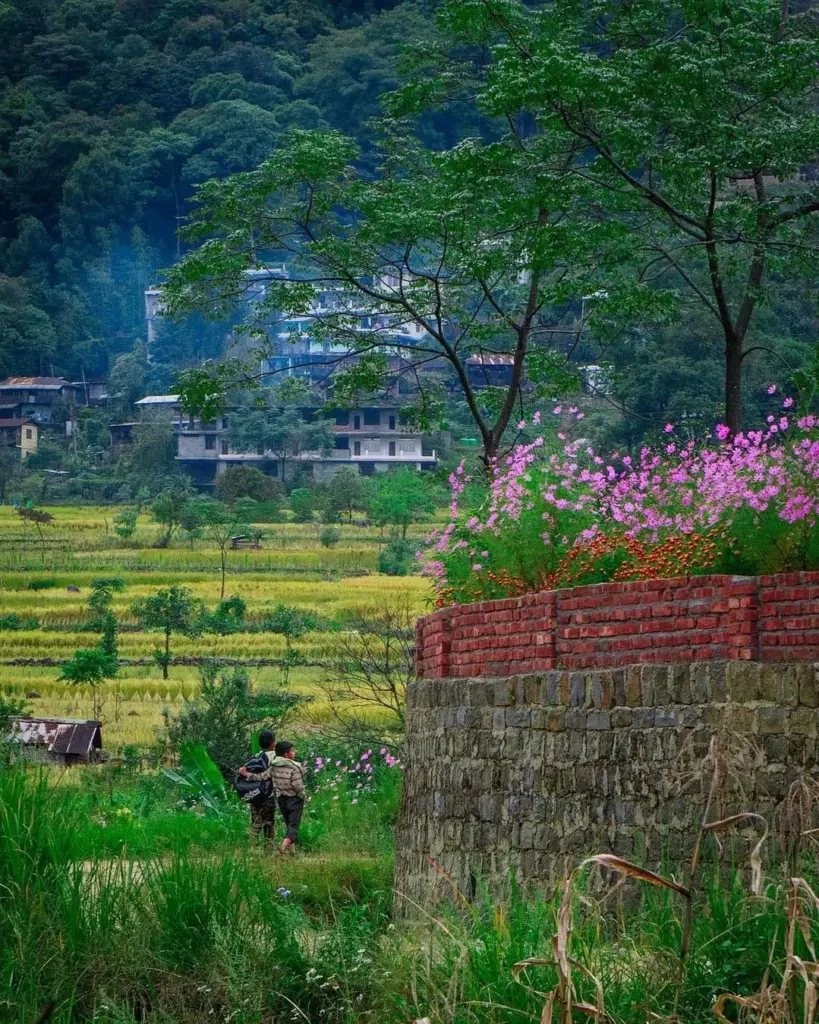
Perched along the Indo–Myanmar border, Longwa is one of the most fascinating villages in Nagaland. Home to the Konyak tribe, once feared headhunters, Longwa’s uniqueness lies in the fact that the village chief’s house straddles both India and Myanmar — you can literally stand in two countries at once!
The Konyaks are easily identified by their facial tattoos, traditional jewellery, and elaborate headgear made of boar tusks and hornbill feathers. Longwa remains deeply rooted in its tribal customs, making it an excellent destination for cultural immersion. With minimal tourist infrastructure, it’s best to stay in a local homestay to truly experience Konyak hospitality.
Mokokchung – Cultural heartland of the Ao Nagas
Often considered the cultural capital of Nagaland, Mokokchung is the primary settlement of the Ao tribe. Set against a backdrop of hills and valleys, the town is clean, charming, and culturally rich. It’s a great base to learn about Ao traditions and attend village festivals such as Moatsu, celebrated in May after seed sowing.
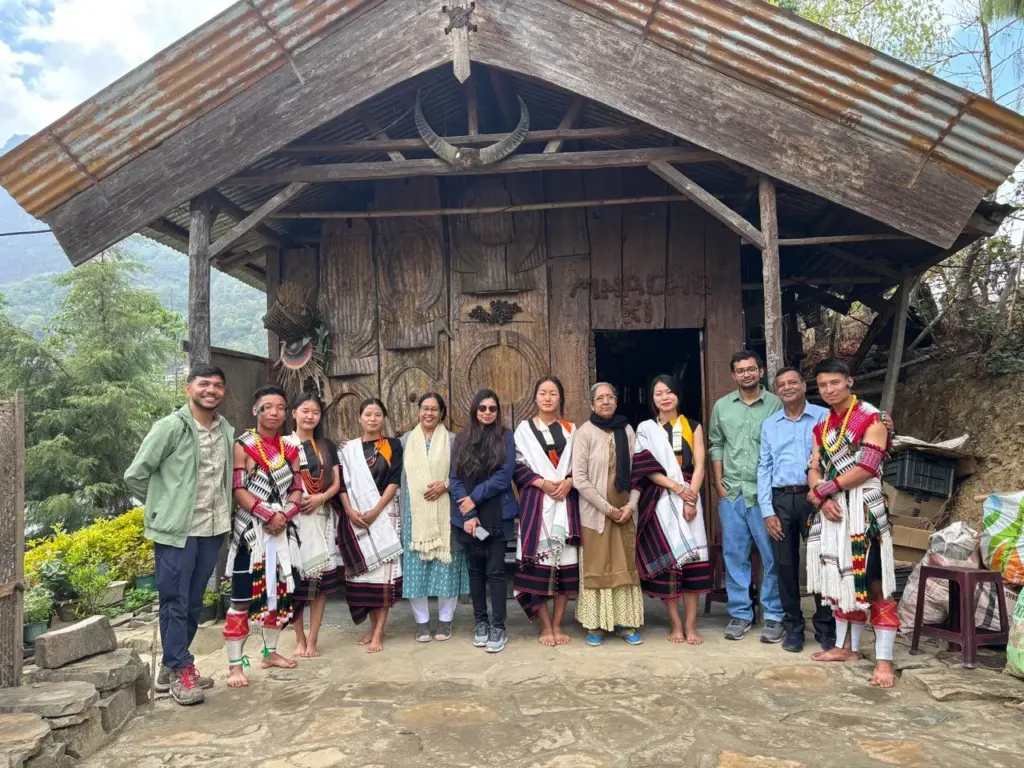
Nearby villages like Ungma and Longkhum offer a deep dive into Ao folklore and craftsmanship. The scenic drives to Mokokchung, with panoramic views of misty hills and terraced fields, make the journey just as memorable as the destination.
Mon – Land of the tattooed warriors
Located in the northernmost part of Nagaland, Mon is another stronghold of the Konyak Nagas. While Longwa offers a borderland experience, Mon town serves as a larger access point to multiple Konyak villages such as Chui, Hongphoi, and Tangnyu.
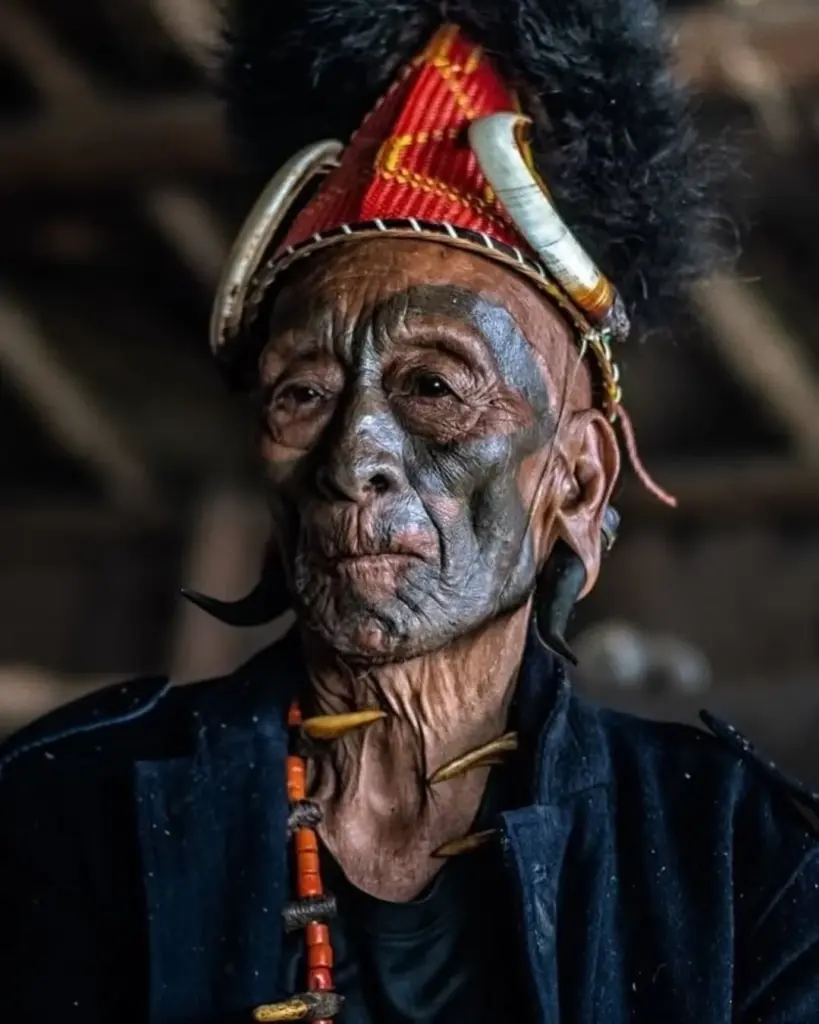
Mon is best visited in April during the Aoleang Festival, which marks the Konyak New Year. Expect traditional war dances, colourful tribal attire, and rituals that celebrate the tribe’s warrior past and agricultural roots. The district also offers rugged terrain and untouched landscapes for those seeking a raw, off-grid travel experience.
Khonoma – India’s first green village
Located just 20 km from Kohima, Khonoma is a model village celebrated for its pioneering conservation efforts. Once known for its fierce warriors, this Angami Naga village transformed into India’s first green village by banning hunting and shifting to sustainable agriculture.
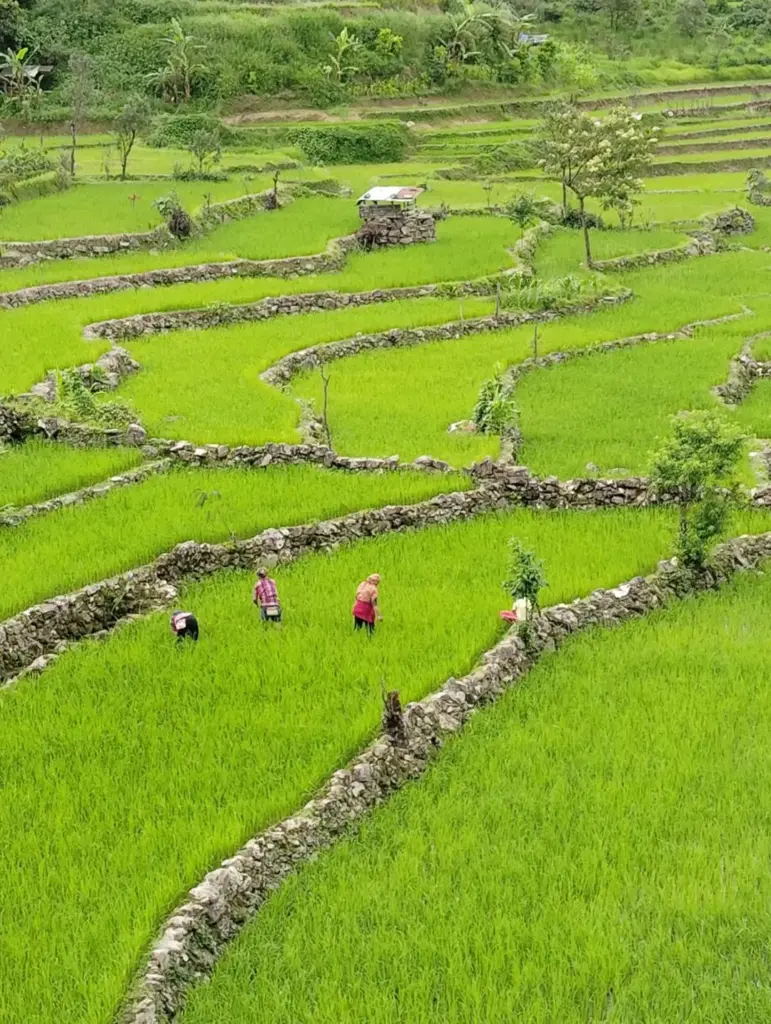
With its stone-paved pathways, terraced fields, and age-old forts, Khonoma beautifully blends heritage and ecology. Visitors can take guided walks through the village, visit memorials to local freedom fighters, and explore forests teeming with birds and butterflies. Homestays here offer immersive experiences, complete with Angami cuisine and storytelling sessions around the hearth.
Tuophema – A living Angami heritage village
If you’re looking for an authentic tribal village experience without compromising comfort, Tuophema is an excellent choice. Just 40 km from Kohima, this Angami heritage village was developed by the community to preserve and showcase their cultural traditions.
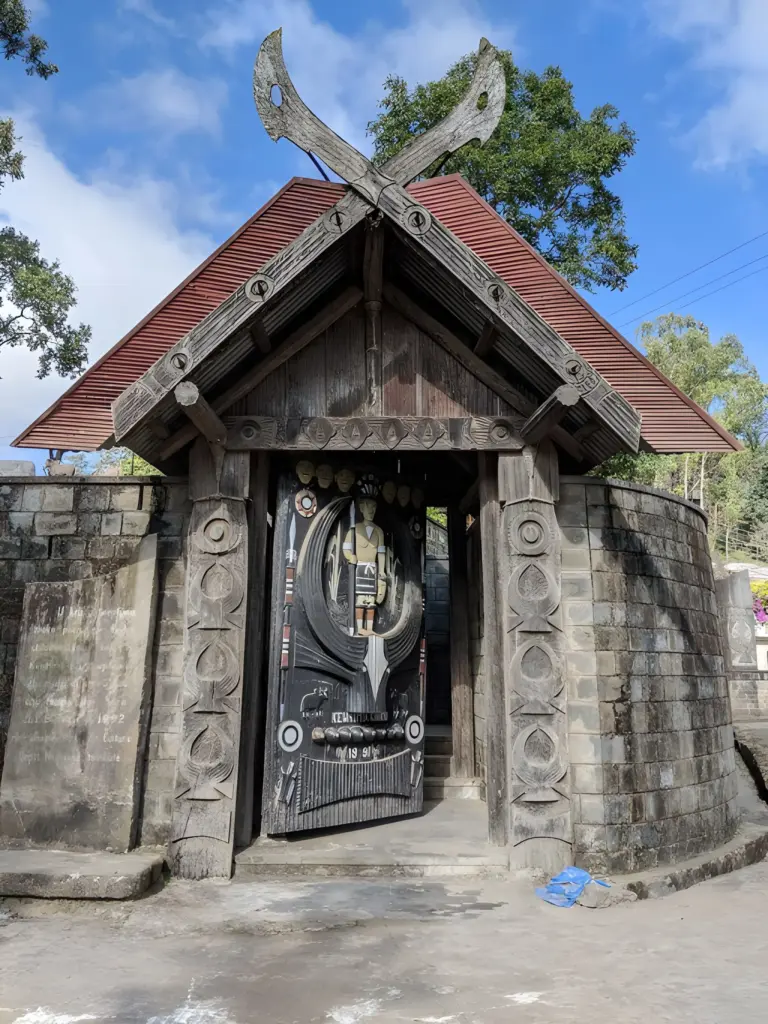
Visitors stay in traditional-style huts equipped with modern amenities, enjoy folk dance performances, and participate in local craft-making or cooking. The Sekrenyi Festival, held in February, is a highlight, with its rituals, songs, and symbolic purification rites. Tuophema offers a peaceful, educational, and picturesque break from busier tourist routes.
Pfutsero – Nagaland’s highest and coldest town
Tucked away in Phek district, Pfutsero stands at over 2,100 metres, making it the highest inhabited town in Nagaland. It’s also the coldest, with winter temperatures often dropping below freezing point. The town is known for its misty mornings, quiet pine forests, and scenic viewpoints.
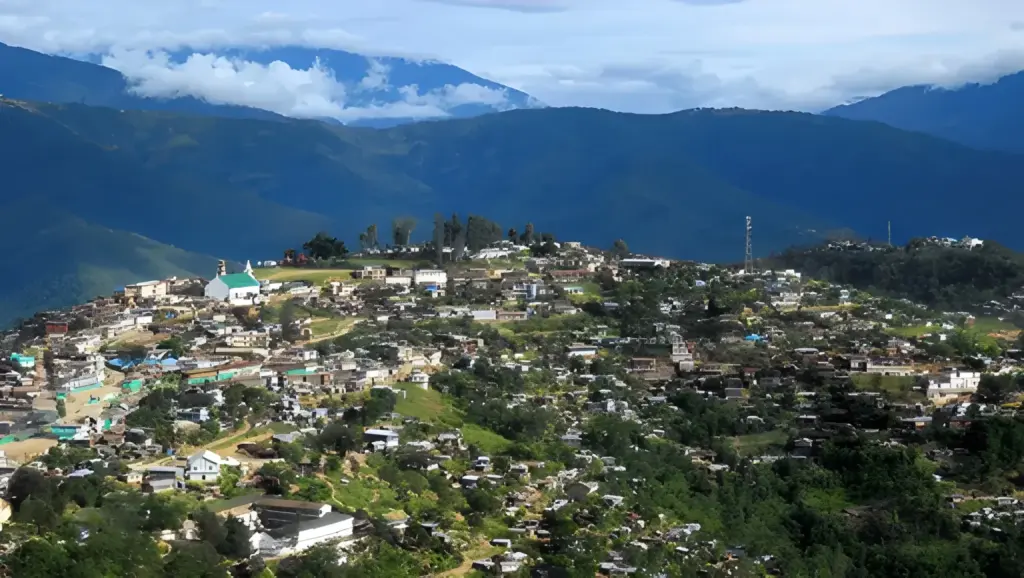
Pfutsero is inhabited mainly by the Chakhesang tribe, known for their handicrafts and vibrant celebrations like Sükrünye, a New Year festival held in January. The surrounding countryside, dotted with villages and orchards, is ideal for walks and short hikes. This serene town is a haven for slow travellers and nature lovers.
Meluri – The gateway to natural wonders
Situated in Phek district, Meluri is home to the Pochury tribe, and acts as a lesser-known but stunning gateway to a host of natural wonders. The region is rich in traditions, including intricate woodwork, log drums, and vibrant festivals like Yemshi.
Nearby attractions include:
- Shilloi Lake, a heart-shaped lake believed to be sacred
- Dzudu Lake, nestled in lush green surroundings
- Zhuketsa Ridge, offering wide-ranging views of eastern Nagaland
Meluri’s relative isolation keeps the crowds away, making it ideal for offbeat travellers and those seeking untouched beauty.
Kiphire & Mount Saramati – Scaling Nagaland’s highest peak
For trekkers and adventure seekers, Kiphire district offers some of the most rugged and breathtaking landscapes in Nagaland. The crown jewel is Mount Saramati (3,826 m), the highest peak in Nagaland, rising near the Indo-Myanmar border. The trek to the summit begins from Thanamir, known as the “Apple Village” of Nagaland.
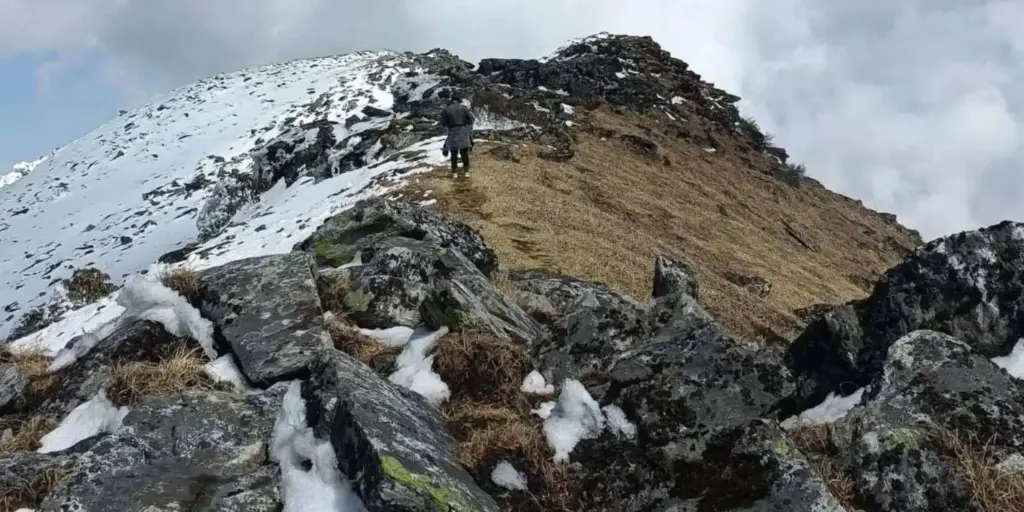
This trail takes you through dense forests, rhododendron groves, and offers panoramic views of both India and Myanmar from the top. Along the way, trekkers can interact with local communities and observe a blend of Naga and Burmese cultural influences.
Travel Tips for Visiting
Nagaland
- Inner Line Permit (ILP) is mandatory:
All Indian tourists (except residents of Nagaland) require an Inner Line Permit (ILP) to enter Nagaland. You can apply online through the Nagaland ILP Portal or get it from designated offices in Dimapur, Kohima, Delhi, and Guwahati. - Best time to visit:
- October to May is ideal, with pleasant weather and many festivals like Hornbill (Dec) and Moatsu (May).
- Avoid the monsoon season (June–September) due to heavy rains and potential landslides in hilly regions.
- Respect local customs and traditions:
Nagaland has 16 major tribes, each with distinct cultural practices. Always ask before clicking photographs, dress modestly, and avoid loud or disruptive behaviour in villages. - Connectivity and cash:
- Mobile and internet connectivity can be patchy, especially in remote areas like Kiphire or Mon.
- Carry sufficient cash; ATMs are rare outside of major towns like Kohima and Dimapur.
- Travel logistics:
- Shared sumos and private taxis are the most reliable transport between towns. Public transport is limited.
- Roads can be rough, so budget extra time for travel between destinations.
- Stay options:
Opt for village homestays or eco-resorts where available. They offer authentic experiences and directly support local communities. - Local cuisine:
Be open to trying smoked pork, axone (fermented soya beans), and bamboo shoot-based dishes, but also ask about spice levels and ingredients if you have dietary preferences. - Language:
English is widely spoken, especially in towns and among the youth. Still, a few polite words in local dialects can go a long way in building rapport.
Conclusion
Nagaland is far more than just its capital or the Hornbill Festival. From mountain villages like Pfutsero, cultural hubs like Tuophema, to untamed trails in Kiphire, the state is a treasure trove of heritage, natural beauty, and adventure.
Its remoteness is its charm. Whether you’re a cultural enthusiast, a nature lover, or a trekker seeking solitude, Nagaland promises an unforgettable journey off the typical tourist path. With warmth in its homestays and stories in its hills, the state invites travellers to slow down, stay curious, and explore deeply.